Back in the early 1970s, Japanese industry coined the word Mechatronics in relation to the development of the world's first industrial robots. Robotics has since come to be regarded as a generic term, and yet it forms only a subset of Mechatronics, which still lacks recognition in some quarters as an indigenous term in our technological vocabulary. 'Mechatronics ' is a natural choice for explaining a process that seeks, from the outset, to generate definitive engineering system solutions, which are inextricably bound by those integrating technologies associated with the inveterate mechanical, electronic and computer based disciplines.
First and foremost Mechatronics should be seen to represent technology integration and not merely a combination of the primary disciplines. In fact, the 'fusion' of mechanical, electronic and computer based structures into a complete Mechatronics 'product' can only achieve its desired functionality through a process of systematic integration of all inherent disciplines involved right through from the conceptual stages. Invoking only mechanical electronic or computer-based entities would not in itself provide the complete system solution. In reality, Mechatronics opens up enormous technological possibilities, as already evidenced by the appearance of sophisticated products like ever-smaller camcorders and compact disc players. These would never have been plausible by adopting a traditional single disciplinary or combinational approach. By definition, then, Mechatronics is not a subject, science or technology per se - it is instead to be regarded as a philosophy - a fundamental way of looking at and doing things, and by its very nature requires a unified approach to its delivery.
The traditional western approach has relied on single discipline identities and evolutionary solutions based on bolt-on technology. On the other hand, Mechatronics solutions require the use of integrated teams of personnel working towards a common goal. Thus the Mechatronics engineer identifies with systems thinking, and a philosophy that lies behind it all. A Mechatronics 'product' derived through systematic, rather than piecemeal processing. It, therefore, seeks to optimize an 'engineered' solution rather than compromise it. Mechatronics philosophy adequately describes the process by which it is achieved. This insight quite naturally lends itself to the concept of 'total quality', something that western industrialized nations have only in the last decade or so come to aspire to. But for Mechatronics, quality is already implied by the way in which system based solutions are to be sought, and the methodologies used for achieving it. It is hoped that industry and commerce will similarly come to respect and aspire to Mechatronics for what it stands for - total synergy.
What do Mechatronics Engineers do?
Mechatronics combines mechanical, electrical and software engineering in the design, development and control of diverse systems used in a range of industries including manufacturing, medicine and the service industries. Examples of mechatronic systems include aircraft, dishwashers, motor vehicles, automated manufacturing plants, medical and surgical devices and systems, robots of all types, many toys, artificial organs and many others. Mechatronics engineers are therefore involved in almost every possible industry at levels from applications development to manufacturing to advanced research.
Where do Mechatronics Engineers work?
Graduates with a Mechatronics degree can take up careers in a wide spectrum of industries including robotics, aerospace, chemical, defence and automotive and manufacturing where complex software plays a major role, as well as in businesses that require extensive computer support, such as banking and commerce. Contributions can be made to these industries in a variety of roles including design engineer, software engineer, project planner, product designer and project manager.


 Listening...
 Listening...

 Posts
Posts

 Awards and Achievements


 The various projects made by the students of the said department.

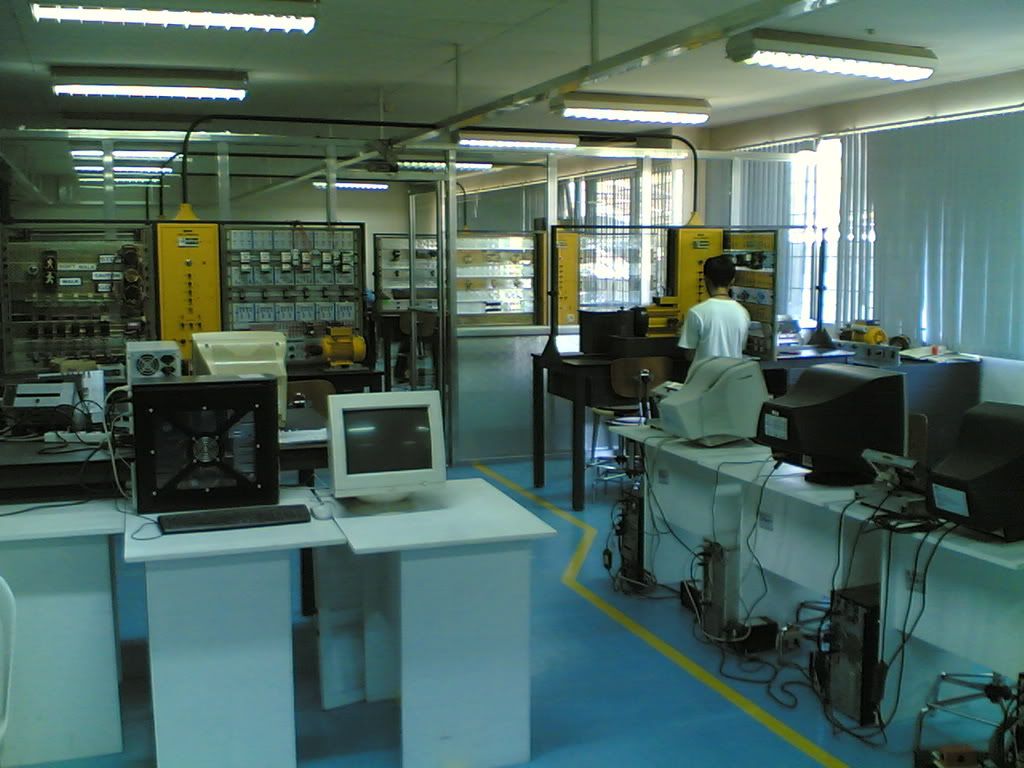
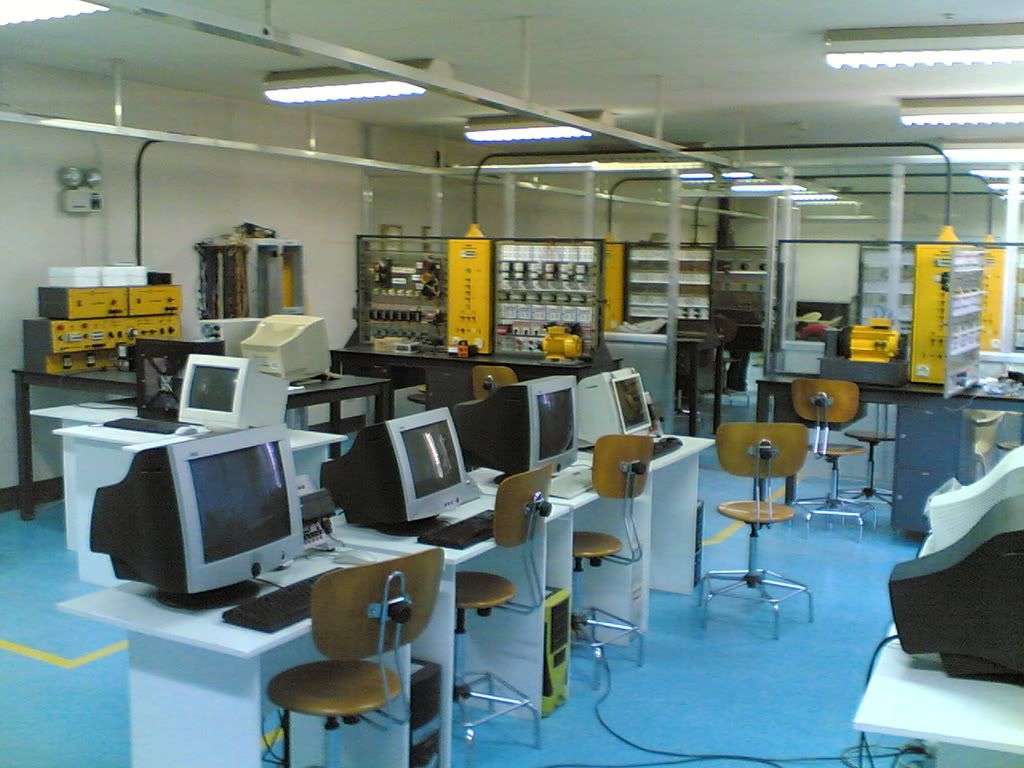
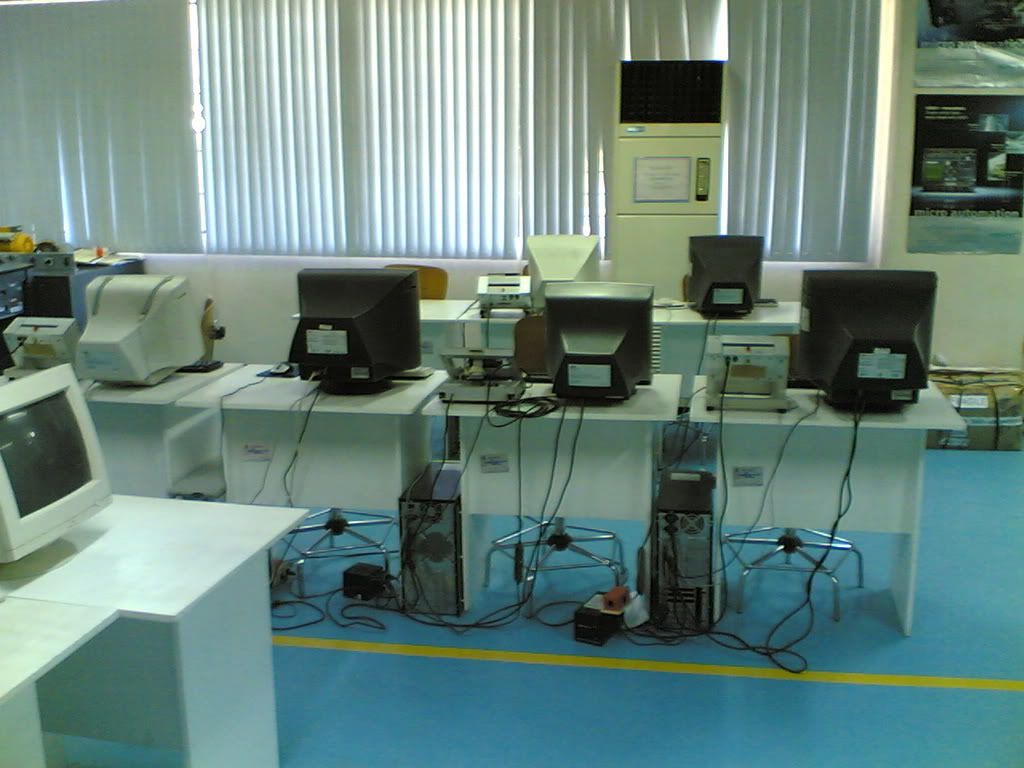
 One of rooms equipped with OEM trainers and simulators.